Wednesday, 27 June 2012

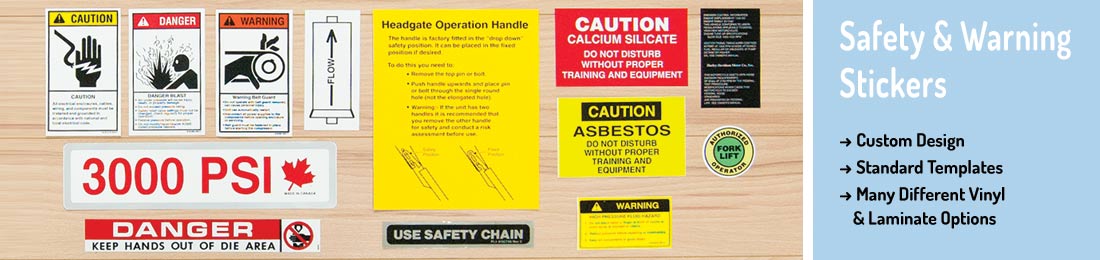
5 Steps To Stay Safe With Dangerous Equipment


Whether your new to a job, or are an experienced veteran, dangerous equipment can cause serious injury if not handled correctly.  Whether it's construction equipment like bull dozers, dump trucks, cranes, forklifts, or anything else, like a heavy camera, improper use can be life threatening or can cause serious injury.


To stay safe while operating dangerous equipment, follow these five steps.

1. Learn first, try later

Don't use any equipment that you haven't had explicit training for. Even if you feel that you might be comfortable using it, or someone asks you to use it, don't do it. If you are forced to use it, your boss will be liable for any injuries. Unless you have been taught how to use it safely, you risk injuring yourself.

2. Inspect

Any potentially dangerous piece of equipment must be inspected before use. The same way you check to make sure your car is working safely before you drive, you must check equipment before you use it. Any loose parts, or broken pieces could make the equipment work improperly and can make it dangerous to operate.

3. Concentrate

Even if you've used a piece of equipment a thousand times, it is still equally dangerous. All it takes to get a serious, permanent injury is one wrong move. Give your work all your attention to make sure you're not going to hurt yourself.

4. Wear proper gear

No doubt, if you've had the safety training for a piece of equipment, you'll know what safety gear you'll have to wear while using it. However, there's more to it than that. It is often important to make sure you're wearing clothing that you can work in, with no loose parts hanging off, and make sure any long hair is tied up.

5. Be Comfortable

Even if you've taken all the necessary steps to ensure your safety while operating dangerous equipment, there is always an inherent risk involved. If you simply don't feel safe taking that risk, don't do it. Nobody can force you to do something you feel uncomfortable with, so you should never do something you don't want to do.

This guide will help you avoid potential injuries that can come when operating dangerous equipment. Remember to always be alert, and never to do something that is uncomfortable. If you do follow these steps and still get injured, there is a chance that you might be able to get compensation (get aid here). The best way to avoid these situations, however, is to trust your gut instincts.

The Dangerous Trend of Stage Collapses Over the Past Year

Recently, a stage collapsed before a concert by Radiohead, killing their drum technician and destroying priceless vintage equipment (their response). It is a tragedy for Radiohead and everyone involved. Many people are asking why this stage collapsed, and why it wasn't built properly.

Why is it that stage collapses are so frequent? In the past year alone we've have many high profile stage collapses, many of them resulting in death or serious injury, also causing large lawsuits to filed (find help for this). Here is a rundown of recent events:

July 2011 - Ottawa Bluesfest stage collapses in heavy wind


August 2011 - Pukkelpop stage collapses in Belgium, killing 5 (Source)

Five people have been killed and more than 70 injured at a music festival after a stage collapsed during a heavy storm. The Chateau stage at the Pukkelpop festival, near the town of Hasselt in eastern Belgium, was apparently destroyed when trees were blown over in strong winds and crashed into rigging.  

August 2011 - Indiana State Fair stage collapse


June 2012 - Radiohead stage collapses


The Radiohead stage collapse is just one of a serious trend of stage collapses resulting in death and injury. While it's not fair to lay the blame for these collapses on one person or another until the facts come out, it points to a serious problem: there is not enough accountability for stage construction. Whether its the riggers, engineers, or band that thinks it's okay to have an unsafe stage, there needs to be some third party oversight to make sure that the constructs are safe and sturdy for any conditions.


Thursday, 14 June 2012

Embracing Canadian Stereotypes


What does it mean to be Canadian? Is it as simple as having a barbecue and sharing with neighbors? There are many stereotypes about Canada, but I think it is important to decide which stereotypes are important. No stereotype captures the identity of an entire nation, but some might be better than others. For instance, having a barbecue might not make you Canadian, but being neighborly is definitely a good Canadian value.

Good Stereotypes


Ken Dryden explains the issue very well. Old stereotypes aren't necessarily true, but some of them might be a good ideal. Here are the typical Canadian stereotypes (find more here):
  • nice
  • polite
  • respectful
  • inoffensive
  • ahistorical
  • decent

But are these enough? No.

It's not realistic to define Canadians as just Canadians, the world is global and everyone's identities are tied up together. Of course, Canadians are still respectful and polite, but we should think of these as global qualities, rather than Canadian.


What does this mean for Canadians?

How do we actively pursue these values of respectfulness? For Canadians born in Canada all it requires is a community that fosters these values and encourages respectful dialogue. For immigrants, once they get their citizenship and are living in Canada (find help here), it will require frequent interaction with other Canadians. This frequent dialogue is necessary so that all Canadians feel included and valued.

In conclusion, Canadians should embrace some of their stereotypes because they represent some universally important values. Essentially, Canadians are famous for getting along with each other very well, and this is not at all a bad thing to embrace.


Wednesday, 13 June 2012

Outrageous Celebrity Lawsuits

The celebrity world has certainly supplied us with its fair share of entertainment both on and off screen. Many of these larger than life personalities have made a name for themselves through their talents but, are often associated their antics. As we, the on looking public, revel in their peaks as well as their decent.

Through the years the celebrity presence in courtrooms have grown exponentially as well as their need for a good personal lawyer. I'm almost tempted to propose that after the O.J. Simpson trial many P.R. reps and mangers had light bulbs going off in their heads as to the potential publicity firestorm a court appearance may "warrant" for their clients. That would certainly explain some of the ridiculous lawsuits some of these celebrities have gone on to pursue.


Tara Reid, "Condo-scending Remarks"


Sky Las Vegas Condominiums ran an ad campaign, "Dear Tara Reid, Come Let It All Hang Out.", a few years following here now infamous "nip-slip" incident at "Diddy's" 35th Birtday bash in 2004. The American Pie actress and formerly self proclaimed "party girl"sued the owners of the condo project in March 2005, saying the advertisement misrepresented her as "sexually lewd or immoral" and suggested that the wardrobe malfunction was intentional. Reid's lawsuit sought to bar Sky Las Vegas from continuing to run the ads. The case was dismissed on Dec. 6, 2005, after a partial settlement was reached.


Lohan Vs. A Baby?

Lindsay Lohan filed a $100 million lawsuit against financial-services company E-Trade in 2010, siting that one of its ads "used her name and characterization" without her permission. Apparently, a baby named Lindsay, that is referred to as a "milkaholic", offended the young starlet. As Lohan's lawyer went on to claim that: "the company was clearly referencing the socialite because she has the same one-name recognition as people like Oprah or Madonna and that E-Trade was "using [Lindsay's] name as a parody of her life."


Ah chihuahua!

It's not often that actors are accused of stealing chihuahuas. In her 2008 memoir Send Yourself Roses, actress Kathleen Turner alleged that Nicolas Cage, with whom she'd worked back in 1986, had been arrested for drunk driving and had also ... snatched a dog. Cage brought a libel case in the U.K. against Turner, her book publisher and the newspaper that ran an excerpt. The defendants said they were wrong and apologised, paid Cage's legal fees and made a donation to a charity.

Although many of us in the general public may not command the attention of the mass media, that certainly does not imply that our mishaps are any less significant. In instances that may require the intervention of a personal lawyer (as found here),  one should not hesitate to seek the counsel they need, to get the compensation they deserve.

Other Related Articles:


Content Source:

Image Source: